Trendy Techie

Fashion, Tech, and Everything in Between


Leave a comment

My #YouthSpark

youthspark_sage_franch_trendy_techie

Before I discovered code, I wanted to be a digital artist. My dream was to be a Pixar animator and be part of bringing joy to millions through cute, quirky characters and heartfelt stories. In the summer of tenth grade I went to a computer graphics camp at University of Pennsylvania, thinking I would learn the ins and outs of digital art and kickstart my career as an animator - but when the professor showed us an animation he’d made with code, my plan for my future changed completely.

I had heard about coding, but until I saw it used to make an animation of fire, I had no idea how empowering it was. Just one line of code could change the colour, shape or direction of the fire, and it was mind-blowing to see what a big difference just a few words on the screen could make. I was amazed. Coding was like math with words, and coders were people who knew how to speak to computers and make them do amazing things.

The very first program I wrote was Turtle.vb, a simple program that made an 8-bit turtle crawl around the screen drawing shapes. It was by no means complex, but making it work was exhilarating! The great thing about coding is that anyone who tries it can make cool things right from the get-go. Learning to code is so much fun because it’s creative and very hands-on - you learn by doing, and you get instant results. When my turtle drew a triangle for the first time, I felt like I had unlocked the beginnings of a new superpower; I could now communicate with technology.

Now, six years later, I am studying computer science at Dalhousie University in Halifax, working as a Technical Evangelist at Microsoft Canada, and writing and operating Trendy Techie. In the six years that I’ve been coding I’ve learned seven programming languages and used those languages to make dozens of apps, games and websites. What I love about coding is how versatile it is - once you learn to program you can work on projects across all industries.

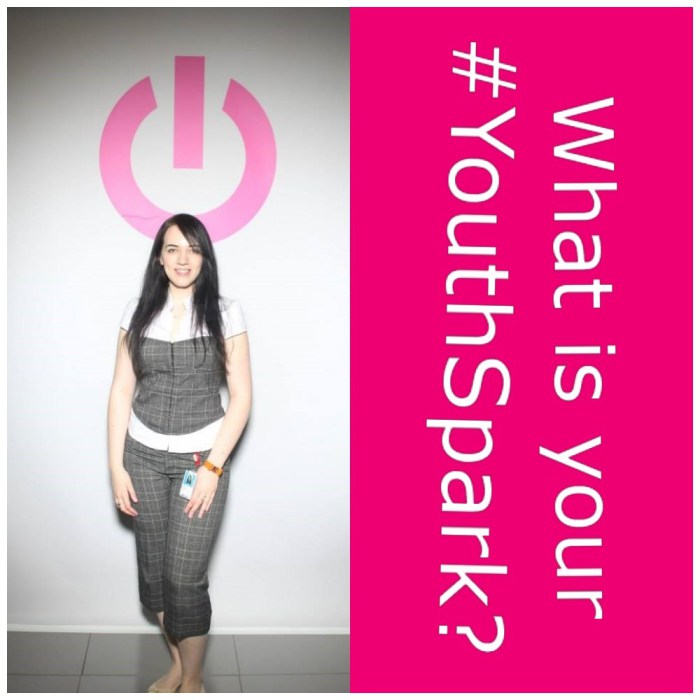
Today the second annual #YouthSpark Live event brings together 100 youth from around the Vancouver area for a one-day conference focused on skill development, coding, and careers in technology. YouthSpark is Microsoft’s global commitment to empowering young people with opportunities for employment, education and entrepreneurship, and it comprises over 30 major resources and programs to inspire youth around the world to explore technology. In celebration of YouthSpark Live, I encourage you to tweet and share your #YouthSpark - what was it that inspired you to start down the path to where you are today?

signature 1


Leave a comment

5 Fun Ways to Spark Your Child’s Interest in Technology and Boost Their Critical Thinking Skills

Last week, one of my readers reached out to me about how to keep his young daughters interested in technology. The conversation about the growing necessity of technical skills is not a quiet one, and I commend this father for realizing that and wanting to encourage his daughters to keep those doors open as they grow up. There’s no denying that technology plays an immediate role in children’s lives nowadays; kindergartners with smartphones, 13-year-olds making braille printers out of Lego, and toddlers skipping ads on YouTube before they can even talk are just a few examples. But even though devices are ever present, it’s often not the technology itself the kids are interested in, but the content they can consume with it, which largely does not stimulate critical thinking or mental growth (but that’s a whole other conversation). For those of you with kids, or who work with kids, or who could use a little fun yourself, here are five fun ways to spark an interest in technology for all the right reasons.

1. Introduce them to coding with made-for-kids tutorials and programming languages

Programming is NOT what it used to be. Parents, if the last thing you remember about programming involves punch cards or 2D Pong, forget everything you think you know about code. Today, coding is dynamic, it’s collaborative, and it’s absolutely accessible. There are some amazing resources out there to get kids started with programming, each targeted to a different age group or skill level. Here are just a few:

Scratch Programming - a visual programming language made by MIT for kids

Hour of Code with Elsa and Anna from Frozen - kids solve logic puzzles with Elsa and Anna from Frozen

Kodu Game Lab - build interactive 3D games using a simple programming interface

Code.org all-ages beginner’s tutorials - access over 20 hours of tutorials and lessons that introduce kids to logic and programming concepts in a fun and familiar setting

TouchDevelop by Microsoft Research - once they get the hang of logic, move to a more advanced yet still basic programming language and build apps, games and more in this free online environment. Projects can be shared across social media and published to all platforms - Android, iOS, Windows and web. How cool will it be when your little ones can say they’ve published an app?

2. Build kid-friendly robots using Lego Mindstorms

Lego Mindstorms puts a big spin on classic Lego building by combining everyone’s favourite building block with an easy and fun take on robotics. Mindstorms makes it easy to build and program robots and features a variety of sensors - light sensors, touch sensors, bumpers and more - that give your Lego creation what it needs to perceive the environment around it. My very first programming experience was with Lego Mindstorms when I was around 10, and the sheer excitement of building something with my dad and seeing it come to life was exhilarating.

3. Play Minecraft (no, really!)

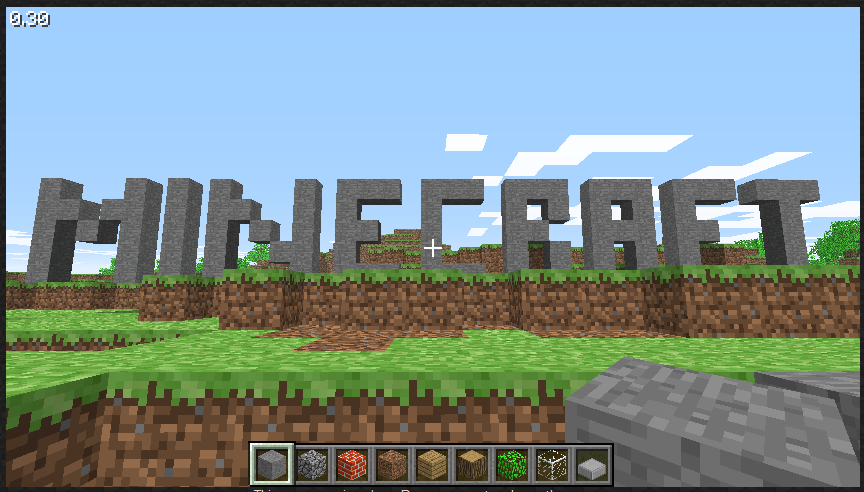
Minecraft may look like just another game, but it’s a great way to explore creativity and learn. Building their virtual worlds block by block, kids can exercise their planning, problem solving and design skills while exploring limitless creation, playing with physics, and even building their own modifications. It’s like Lego all over again, except now you can have unlimited designs with you wherever you go, on your laptop, tablet or smartphone.

4. Take them to the science center

Science centers are awesome. They have grand, colourful exhibits that teach kids about how the world works in a fun and interactive way. Many exhibits have digital components or address how things are done, and learning the hows and whys of the world is a great way to boost critical thinking skills early on.

5. Watch Annedroids

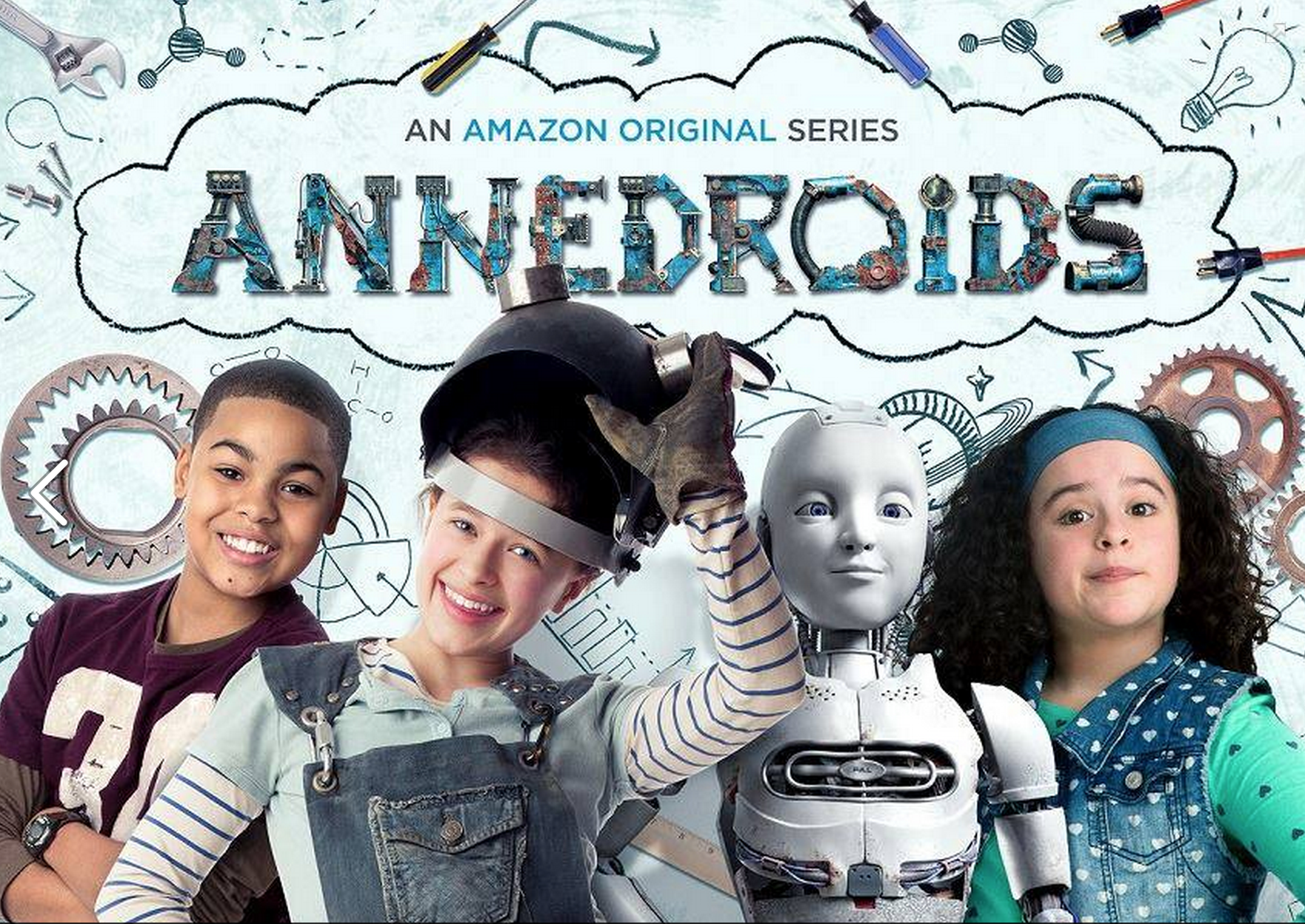
With all the garbage on TV nowadays it is very rare to find quality media for kids. I love Annedroids because it paints science in a fun light and features a girl as the lead intelligent role. Anne is a pint-sized scientist with a knack for inventing. Along with her friends Nick and Shania, Anne builds Annedroids - thinking, feeling creations with big personalities. This show is one I wish had been around when I was a kid. Not only does it promote creativity and experimentation, it portrays a girl in this strong, intelligent role. Anne is the smart, talented, cool-for-all-the-right-reasons role model that young girls need, and she’s here to show both girls and boys that girls make rockstar technologists too.

signature 1


Leave a comment

Join the Hour of Code, December 8th-14th

hour_of_code_susan_sage_square

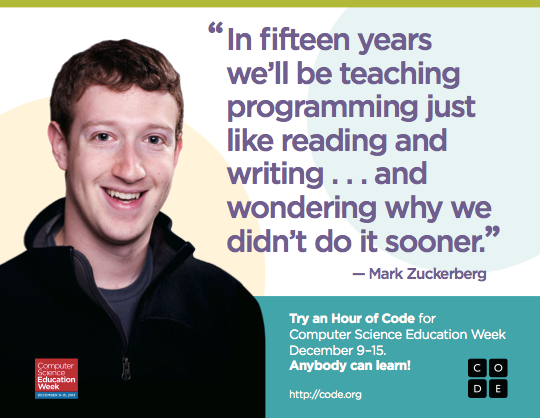
Next week, December 8th-14th, is Computer Science Education Week, a week-long event celebrating the rise of computer science and programming skills being taught and learned around the world. As part of this week, schools and tech giants are partnering with Code.org for Hour of Code, a global initiative to give people the tools they need to start learning to code. Technology is quickly being integrated into every aspect of our lives, and with it comes hundreds of thousands of jobs related to its creation and maintenance. But to fill these jobs we must learn the skills needed: and that starts with code.

hour_of_code

Currently, only 2% of students study computer programming, yet programming jobs are increasing at double the pace of other jobs [USA Today]. If we can increase the number of students with coding skills, we can fill more jobs and boost the economy with impact in every sector. As a computer science student, I know firsthand how beneficial coding skills are - they are so sought-after and can open up doors to a career in any industry. I was fortunate enough to have my first coding class in high school, and I hope that programming will soon be recognized as one of the pillars of modern education like math, science and humanities, so that every student has an equal opportunity in this huge segment of the job market.

I am proud to announce that I will be co-hosting Microsoft’s Hour of Code webcast on Monday December 8th at 9AM PDT/12PM EST, one week from today! My teammate Susan Ibach and I will be fixing a broken game using TouchDevelop, Microsoft’s cross-platform, all-ages app. Tune in to Channel9.msdn.com at that time and take part in changing the world with Hour of Code!

hour_of_code_banner

Whether you’re a student, teacher, parent, or friend, I encourage you to take part in Hour of Code next week. There are endless ways to get involved with Hour of Code, from code-along videos to interactive tutorials with Frozen’s Elsa and Anna. Check out Code.org’s website for resources to get started - you could host a session at a school, post a video tutorial, or share your thoughts and creations on social media using the #HourOfCode hashtag. Whether you’re Bill Gates, Mark Zuckerberg, or even President Obama, everyone starts somewhere with their first hour of code.

signature 1

Follow

Get every new post delivered to your Inbox.

Join 1,478 other followers